
Ultra-Processed Foods Are Wrecking Our Health – Why Are Our Governments Doing Nothing?

UPFs make up about 70% of packaged food products, 50% of our calories and 40% of food dollars. They are making us obese, leading to health problems like heart disease, the single largest cause of death in New Zealand. Obesity rates in New Zealand have more than tripled from 10% in the 1980s to 34%. We have the 3rd highest obesity rate in the OECD. Why are our governments doing nothing? Ultra-Processed Foods Are Wrecking Our Health – Why Are Our Governments Doing Nothing?
Paying For Our Super
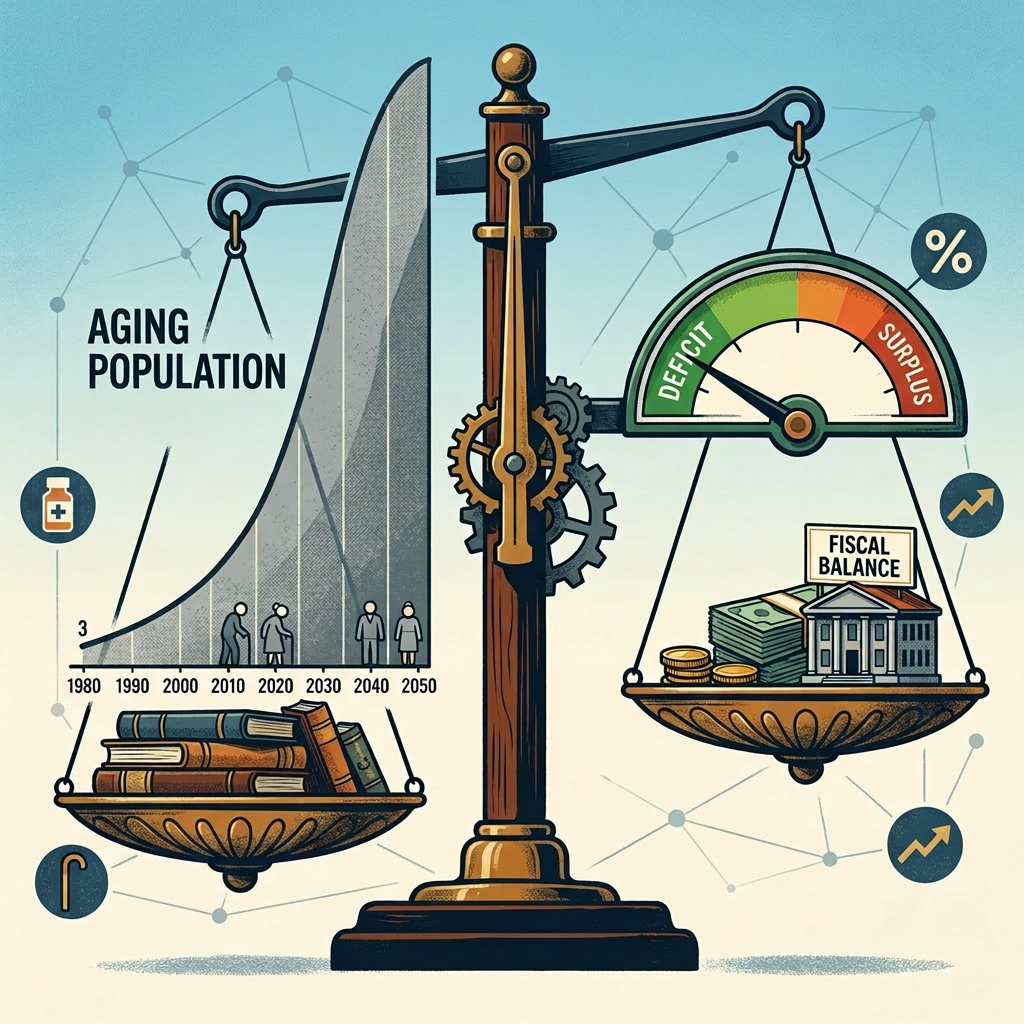
We have a super problem. The number of working-age adults needed to support a retiree is expected to drop from 4 to 2 by 2065. The cost of superannuation will rise from 5.1% of GDP to approximately 8% by 2065, and health costs from 7% to 10%. Inaction will make the problem and the road to affordability steeper. We are wasting time arguing about solutions; the scale of the problem means that we will need all of them. Paying For Our Super
A Long Wait for the New Zealand Health System to Get Back on Track

New Zealanders are waiting too long to get the health system back on track after COVID. The wait for elective treatments within 4 months has dropped from 86% in 2019 to 65%. The wait for their first specialist appointment within 4 months, from 89% to 61%. A Long Wait for the New Zealand Health System to Get Back on Track
Tougher than the ‘90s? We are Unprepared for the Coming Tsunami of Unemployment
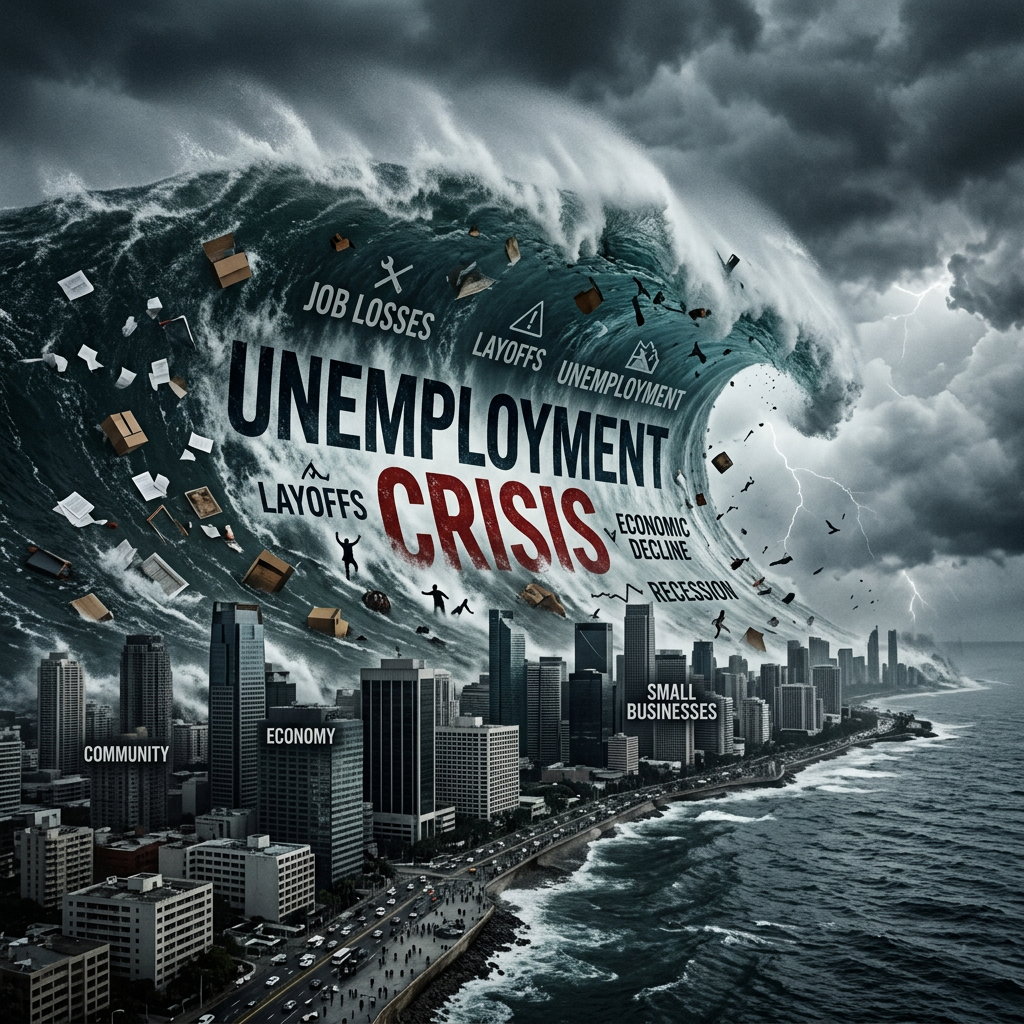
Our unemployment rate for the March Quarter was 5.3% and forecasted to rise to 5.8% by year-end. More than 160,000 Kiwis are out of work; 77,000 of them are young, aged 15 to 24. Youth unemployment is more than three times the overall rate, a staggering 17%. The government has just announced another 8,000 job cuts, using AI. The private sector is bound to follow this poor example of using AI to replace jobs rather than complement them.
Hiring of youth and new graduates has slowed. We could be in for a tsunami of job losses that New Zealand is unprepared for. It’s imperative that we protect workers by preventing undue hardship while they look for work or retrain. Tougher than the ‘90s? We are Unprepared for the Coming Tsunami of Unemployment
How Meritocracy Failed New Zealand and Fuelled Populism

The upcoming elections have brought the ugliest immigration policies from the coalition parties. Māori rights are under unprecedented attack. Unemployment is surging, and those losing jobs due to the weak economy are vilified. The support for centrist parties has shrunk, and race relations have worsened. A generation of young people expresses discontent by emigrating to Australia, voting with their feet. We need a change in course to avoid a more confrontational and uglier politics and a more divisive society. How Meritocracy Failed New Zealand and Fuelled Populism
Sri Lanka – An Air of Optimism

There is an air of optimism following the NPP Party’s election on an anti-corruption platform. GDP grew by 5% last year, and GDP per capita exceeded US$ 5,000 (nearly double that of India) for the first time. Sri Lanka has a very high literacy rate of 97% with almost no gender gap; however, English literacy is only 22%. Labour force participation is low at 50%, as the female participation rate is only 35%. The country is well-positioned to grow due to its highly literate population and tourism potential. Perhaps, finally, Sri Lanka will fulfil its promise to become an island paradise. Sri Lanka – An Air of Optimism
Can Religious Principles (Ethics) Make a Better Society?

Can embracing religious (ethical) principles improve ourselves and society? Can religion help all people and not just those who have reached a crisis point and look to religion for comfort? Can religion help the rich and successful, the squeezed middle and low-income earners? Help us search for prosperity with ethical principles? Steer us away from the harmful pursuit of wealth at all costs? Can Religious Principles (Ethics) Make a Better Society?
The Coalition’s War on Workers
We have not seen the decimation of workers’ wages, rights and benefits as under the current government for at least thirty years. Even safety regulations to ensure our workers return home safely from work have been weakened. The plight of workers, especially those on low wages, already weakened, will worsen further if the coalition wins another term. Our workers have a choice to make.The Coalition’s War on Workers
Coalition’s Attacks on Māori – A Disaster Waiting?

The Climate, Māori and Workers are under attack more than at any time in recent history. How much damage will another term of the coalition do to race relations? Former Prime Minister John Key, speaking to a National Party Conference, warned them to “take the temperature down” on race relations. This seems to have fallen on deaf ears and could have disastrous consequences.Coalition’s Attacks on Māori – A Disaster Waiting?
The Cold Hard Truth About Collective Ambition and Productivity

Our politicians should invest in research and development and artificial intelligence, not blame hard-working New Zealanders for taking holidays in January for our low productivity. The Cold Hard Truth About Collective Ambition and Productivity
The Coalition Government is Wrecking the Climate

New Zealand is no longer on track to meet its 2050 net-zero emissions target, or the third emissions budget for 2031 to 2035. The assault on Climate Change action continues unabated. Nothing this government does can make up for the damage they are doing to the climate and race relations. I shudder to think where we will end up if this government is re-elected. The Coalition Government is Wrecking the Climate
The Man-Sized Hole: Why NZ’s AI Strategy Ignores the Future of Work

New Zealand’s National AI Strategy doesn’t even mention employment impact and is unprepared for job displacements. Economists Korinek and Stiglitz argue that we must actively steer AI to enhance jobs to avoid the problems that led to dissatisfaction and populism with the advent of the internet and automation. The workers must be actively involved in decisions regarding AI deployment. New Zealand lags behind most countries in AI deployment and is likely to fall further behind other rich countries in productivity and prosperity. The Man-Sized Hole: Why NZ’s AI Strategy Ignores the Future of Work
Will New Zealand Botch the Next Opportunity to Boost Productivity?

New Zealand is the last country in the OECD to release its National Artificial Intelligence (AI) Strategy, and is falling behind other small, advanced countries. Our government plans to spend $70 million over the next seven years, compared to $ $1.4 billion by Singapore. We will miss the opportunity to catch up with other rich countries unless we change course dramatically. Will we Botch the Next Opportunity to Boost Productivity?
Scandinavian Dreams and Not Taxing the Rich

Higher Taxes are inevitable due to rising superannuation, healthcare, education and defence expenditure.We must confront reality: the cost of essential services will rise, and higher investments are critical to boost our productivity.Unlike most rich countries, we don’t have capital gains, wealth or inheritance taxes.Is there now any excuse for taxing the richest in the land at 9%? Scandinavian Dreams and Not Taxing the Rich
Electricity Companies We Own Are Failing Us

Energy costs are rising in New Zealand, crippling our industries and hurting our people. Three out of the four largest electricity companies are majority state-owned. They must act with national interest and not price-gouging quasi-monopolies.
Electricity Companies We Own Set Up to Fail Us