
Shared Prosperity in a Fractured World by Dani Rodrik

Rodrik argues that the age of export-led manufacturing as the path to prosperity, especially for developing countries, has run its course due to automation and other new technologies, and the anti-globalisation trend. Manufacturing is only 9% of New Zealand’s workforce. He argues for public-private action—to promote renewables and green industries, middle-class jobs, and enhanced productivity in labour-absorbing services—even in the absence of global cooperation. Public support for research and subsidies for nascent industries could be vital for progress. https://drodrik.scholars.harvard.edu/shared-prosperity-fractured-world-new-economics-middle-class-global-poor-and-our-climate-2025
The Asset Class by Hettie O’Brien

Hettie writes about the impact of private equity firms’ takeover of essential services – service quality and infrastructure deteriorate while the prices ordinary citizens pay go up. They buy a majority share of the company (typically 51%), using as little of your capital as possible and a massive amount of debt (typically 20% equity/80% debt. Transfer the debt to the company you bought (essentially buying the company with their own money). Cut services, raise prices, and reduce infrastructure spending. Charge hefty fees for their ‘services’. Our governments have sold assets built up with taxpayer funds and private equity has been quick to buy. One of the worst examples is the sale of water companies in the UK, which have charged ever-increasing prices and paid themselves billions in dividends, run down the assets and polluted rivers and beaches. https://www.theguardian.com/books/2026/apr/23/the-asset-class-by-hettie-obrien-review-private-equity-is-coming-for-us-all
A Historian in Gaza by Jean-Pierre Filiu

The shocking story of genocide and war crimes by Israelis in Gaza by a historian familiar with Gaza. Targeting of hospitals, often focusing on destroying medical equipment, aiming to cripple life-saving treatment. Targeted killing of journalists. Indiscriminate killing of civilians. Starvation and denial of even water. The shocking acceptance and support for genocide by Western nations, including New Zealand, in comparison with much lesser transgressions in Ukraine. Continued supply of armaments by countries like the USA and Germany. https://www.hurstpublishers.com/book/a-historian-in-gaza/
Empire of AI by Karen Hao

Karen paints a vivid picture of the perils of AI and OpenAI. And how we could avoid the worst outcomes. There are shocking details about the lengths AI companies go to exploit low-cost labour in the global south, searching for the lowest-cost labour in distressed countries like Venezuela to clean up data. Shocking images these workers are exposed to, with scant mental health support. These countries are also exposed to the exploitation of low-cost energy and scarce water resources. Karen identifies sensible solutions and regulations, but will global decision-makers who are starstruck act? https://www.goodreads.com/book/show/222725518-empire-of-ai
Breakneck by Dan Wang
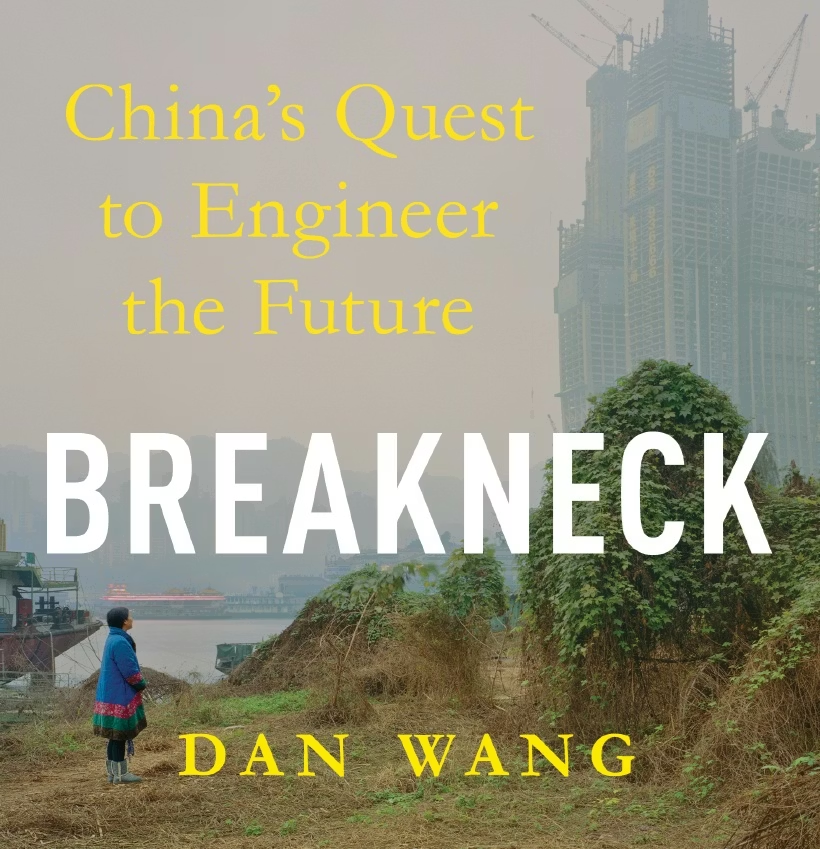
Wang argues that China is best understood as an “engineering state”, while the United States is a “lawyerly society”. China is building more houses and massive infrastructure, while Western nations struggle to build anything at scale. Its major public infrastructure projects have transformed the country. Wang points out that during the years when China’s economy averaged 10 per cent annual growth, it would be as if the country were reborn every seven years. China also dominates electronic manufacturing and high-tech sectors such as electric cars. However, the regime’s unpredictability can make life uncomfortable for citizens. Their censorship leaves them struggling in cultural areas. Low trust of China means the yuan is unlikely to become a global currency or influence Western countries like the USA. https://www.asianz.org.nz/book-review-breakneck-will-china-engineer-the-future
Leave a Reply